Gigi
5.0
3/14/2026

: Easy
Prep Time
: 30 min
Cook Time
: 1 hour 20 min
Total Time
: 1 hour 50 min
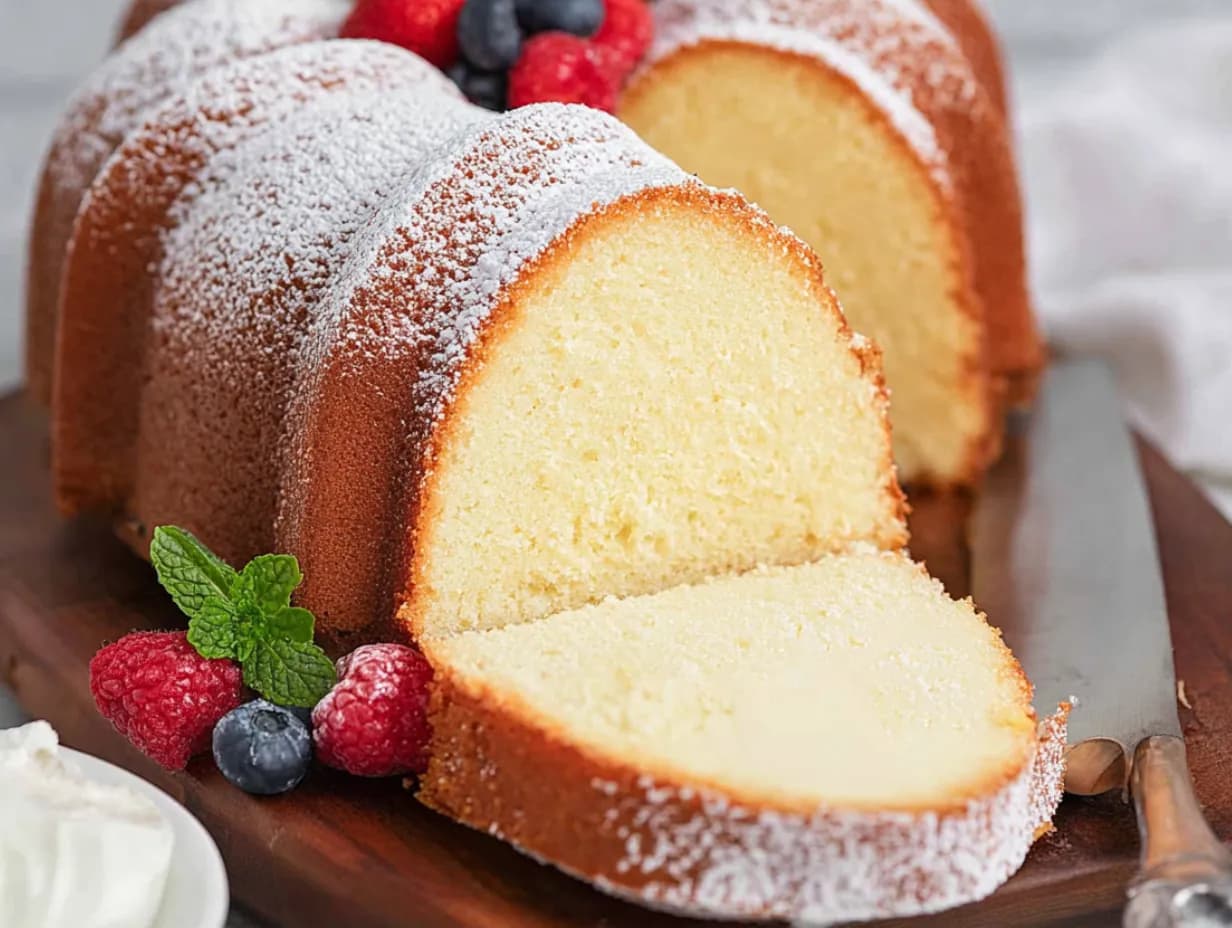
There's something comforting about a classic cream cheese pound cake. It's the kind of dessert that feels familiar yet special, whether it's cooling on the counter for a Sunday dinner or wrapped up as a thoughtful homemade gift.
I first learned to bake this style of cake watching my grandmother work patiently at her mixer, never rushing the process. That same slow-and-steady approach also shows up in other timeless bakes, like this vanilla buttermilk pound cake, where texture depends more on technique than shortcuts.
This cream cheese pound cake keeps things simple and dependable. No extra steps, no complicated add-ins: just a rich, buttery cake that slices clean and tastes even better the next day.
A traditional pound cake relies on butter, sugar, eggs, and flour. When cream cheese joins the mix, the texture shifts in a way that feels both rich and balanced.
Cream cheese softens the crumb without weighing it down. It also adds a subtle tang that keeps the cake from tasting overly sweet, similar to the contrast you'll notice in fruit-forward desserts like this brown sugar peach cake.
Another benefit is moisture. A well-made cream cheese pound cake stays tender for days, making it ideal for baking ahead or serving across multiple gatherings.
Because this recipe uses pantry staples, ingredient temperature and quality matter more than anything else. Room-temperature butter and cream cheese blend smoothly and help trap air during the long mixing stage.
That trapped air replaces chemical leavening. It's the same principle behind many old-fashioned cakes, including dump-style desserts like this caramel apple dump cake, where structure comes from method rather than added lift.
Cake flour keeps the crumb soft, while real vanilla rounds out the flavor. Together, these small details create a cake that feels bakery-worthy without being fussy.
This cream cheese pound cake relies on technique instead of chemical lift, which means the mixing stage matters more than anything else. The long creaming time is not optional: it's the foundation of the cake's structure.
Beating the butter, fat, and cream cheese until smooth allows air to work its way into the mixture. As sugar is added slowly, that air stays trapped, giving the cake its signature fine crumb and even rise.
Eggs should always go in one at a time. This steady pace keeps the batter stable and prevents separation. Scraping the bowl often helps everything blend evenly, which leads to consistent baking from edge to center.
Once flour enters the bowl, restraint becomes key. Gentle mixing protects the air you worked so hard to build and keeps the finished cake tender instead of tight.
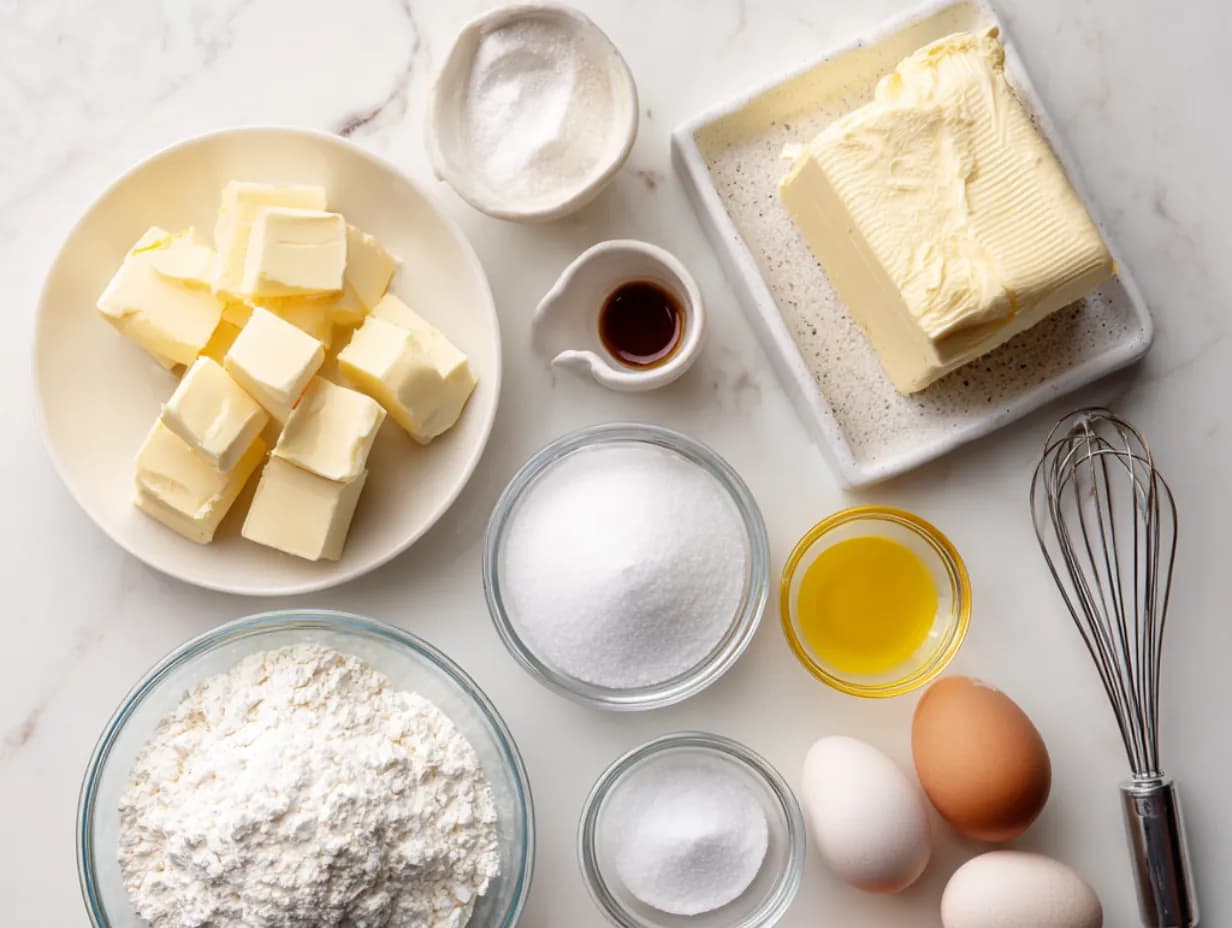
Preheat the oven to 325°F. Generously grease a 12-cup Bundt pan with baking spray or butter and flour it well.
In a large mixing bowl, beat the butter, oil or shortening, and cream cheese on high speed for about 2 minutes until smooth.
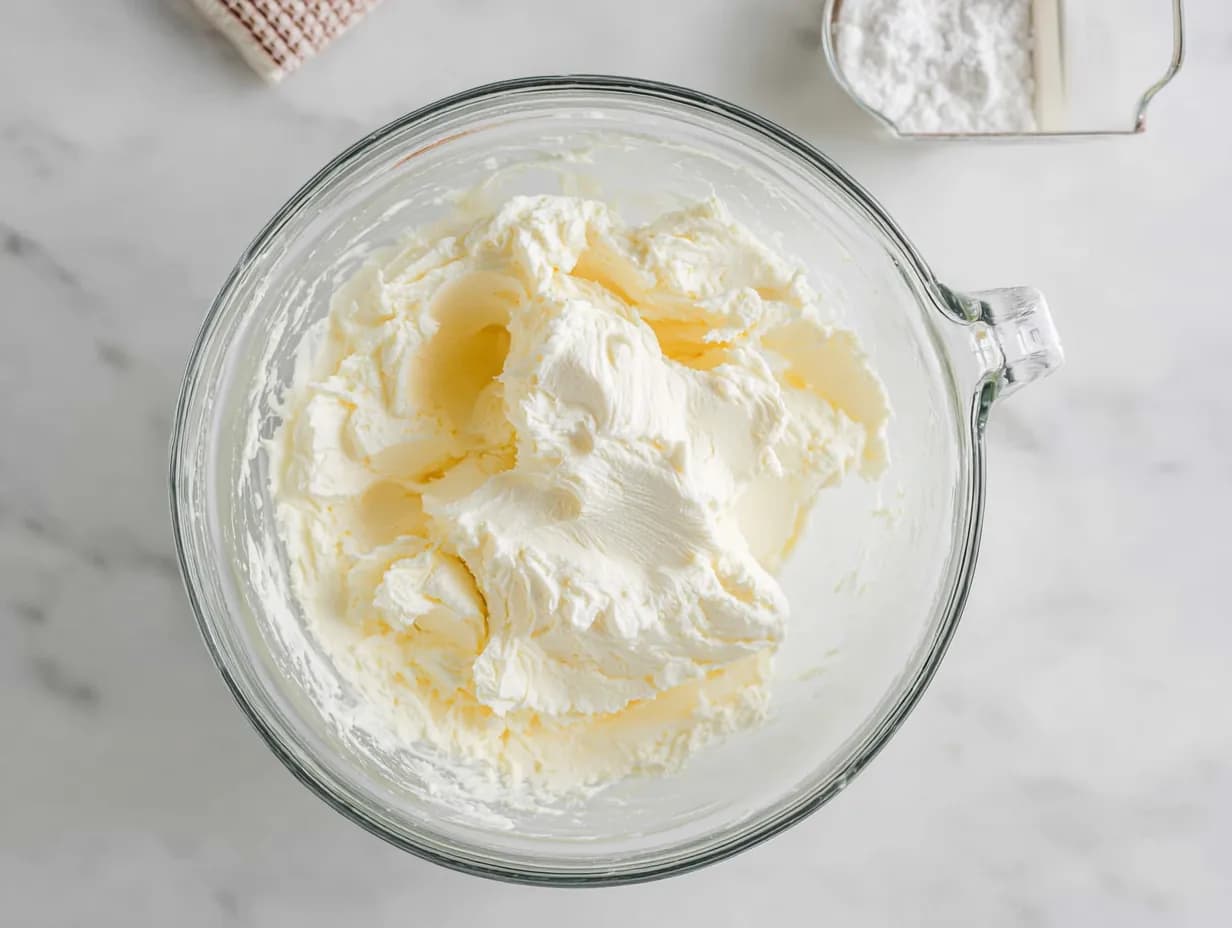
Gradually add the sugar and continue mixing for several minutes until the mixture becomes very pale and fluffy.
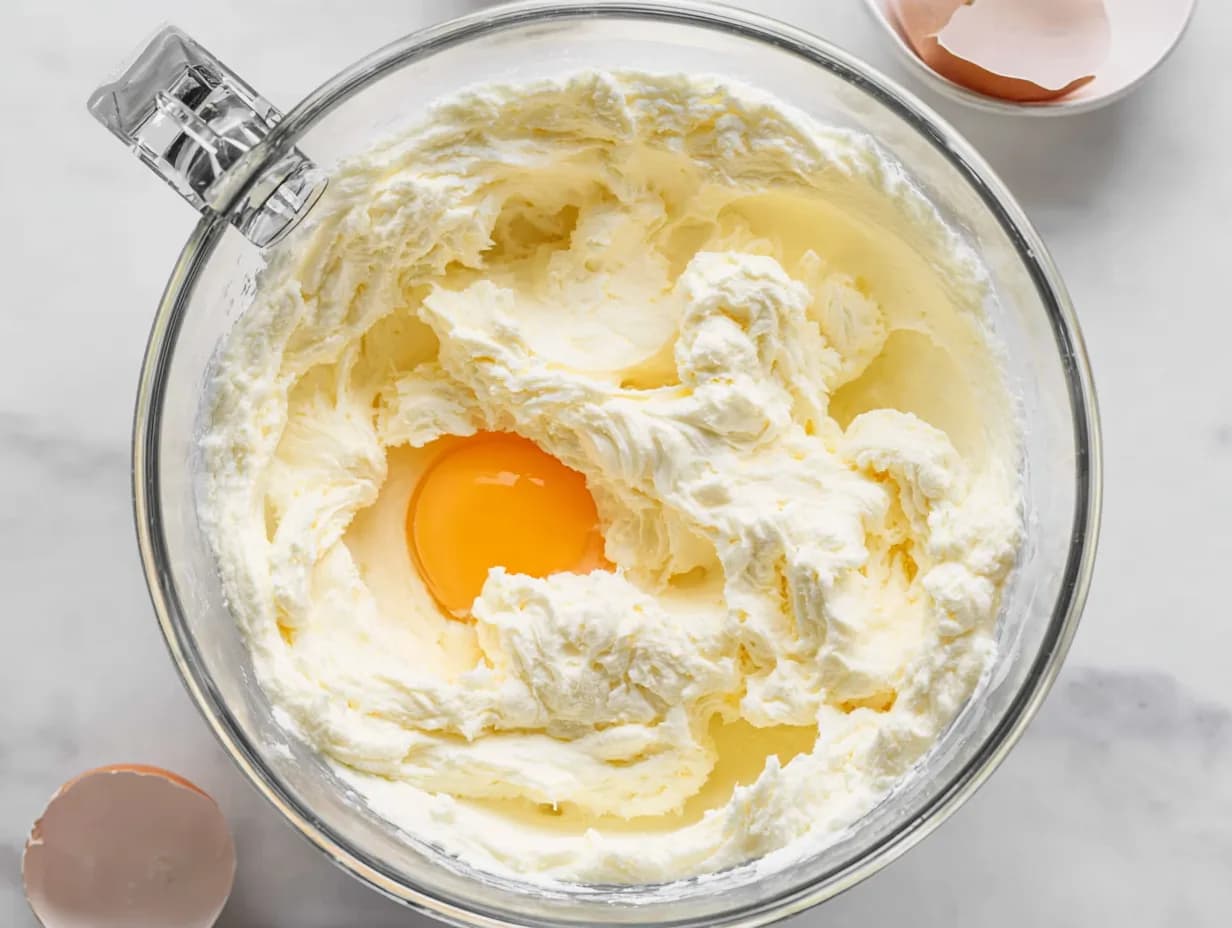
Add the eggs one at a time, mixing well after each addition and scraping down the bowl as needed.
Lower the mixer speed and add the cake flour in two additions, followed by the salt. Mix just until combined.
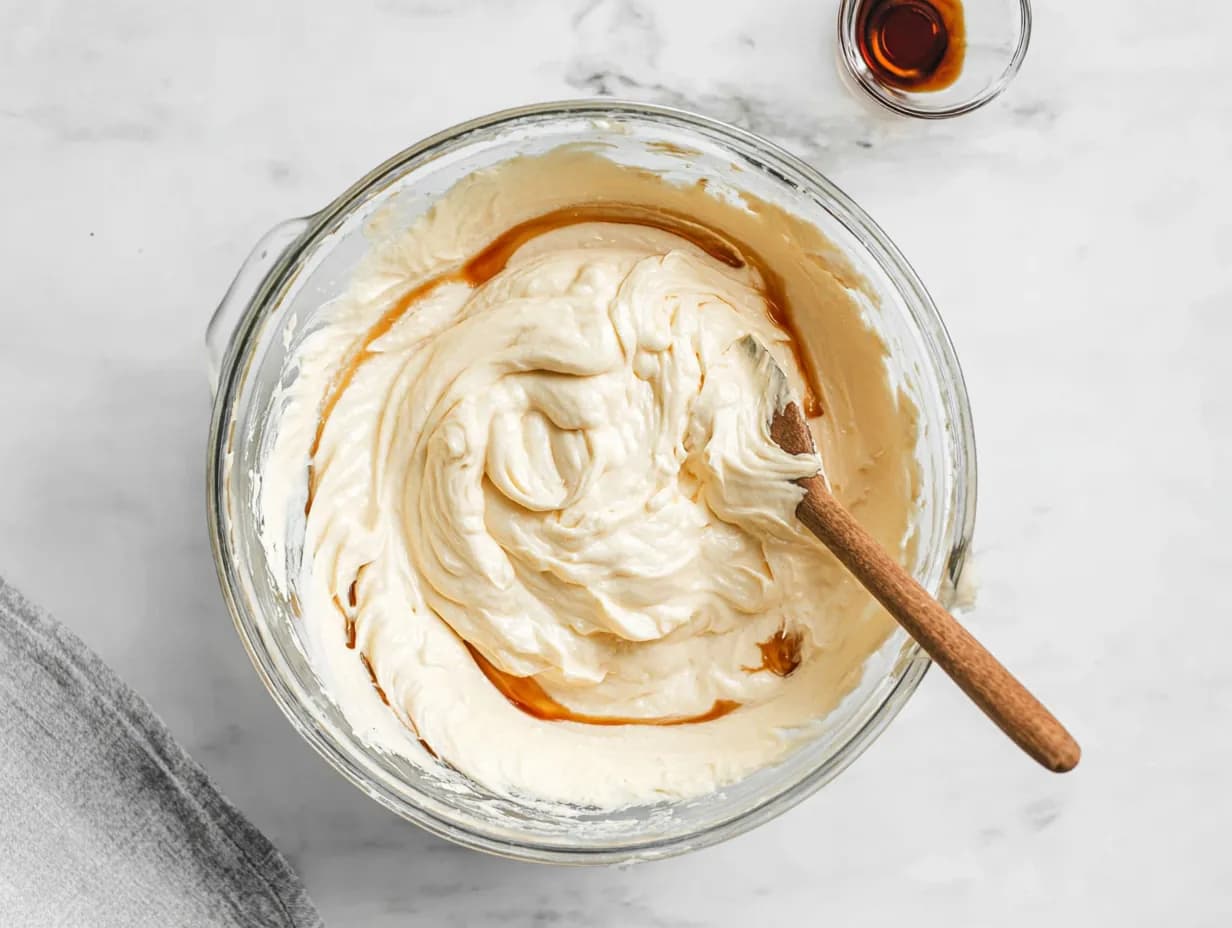
Add the vanilla extract and mix briefly until incorporated.
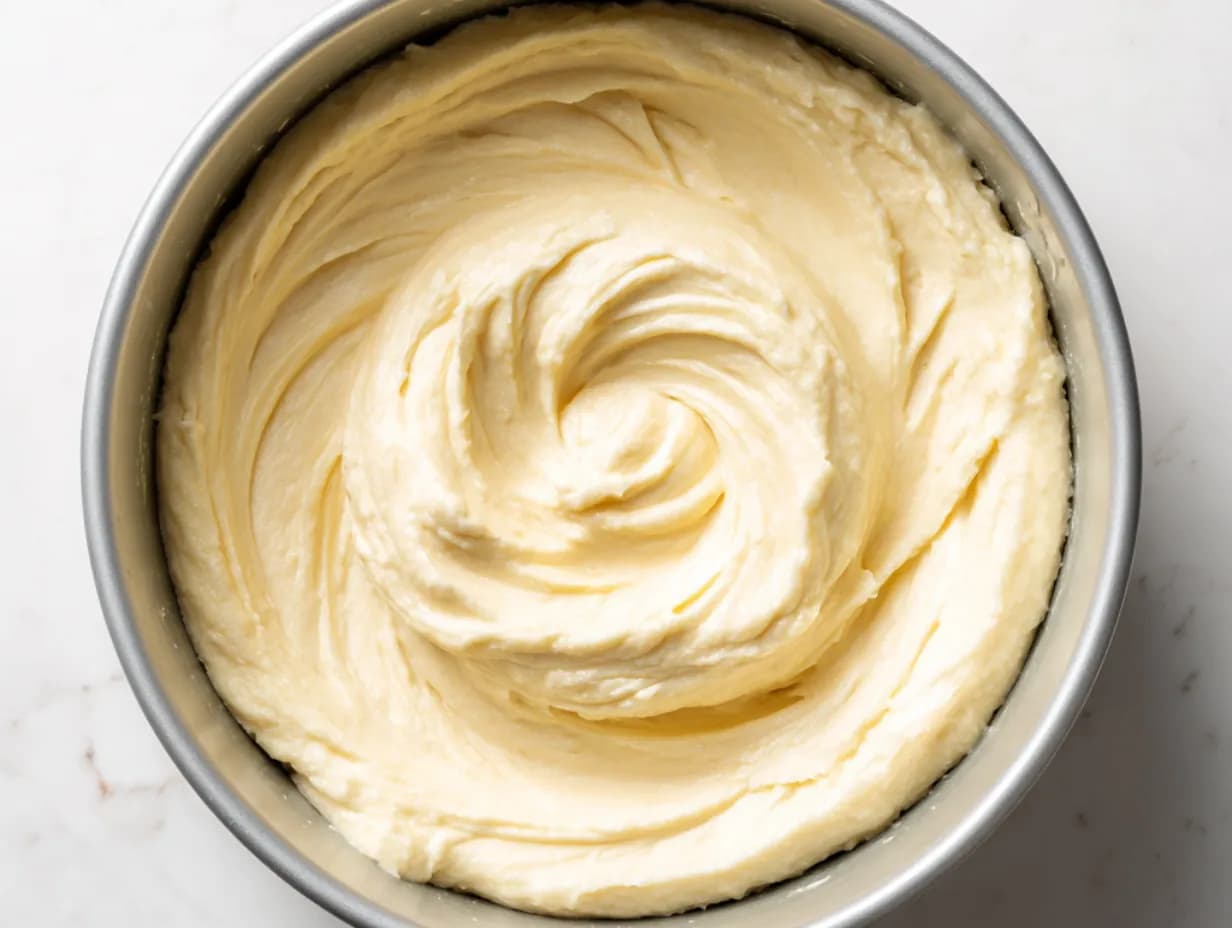
Pour the batter into the prepared pan and smooth the top.
Bake for 75–80 minutes, or until a toothpick inserted into the center comes out clean.
Let the cake cool in the pan for 10 minutes, then invert onto a serving plate and cool completely.
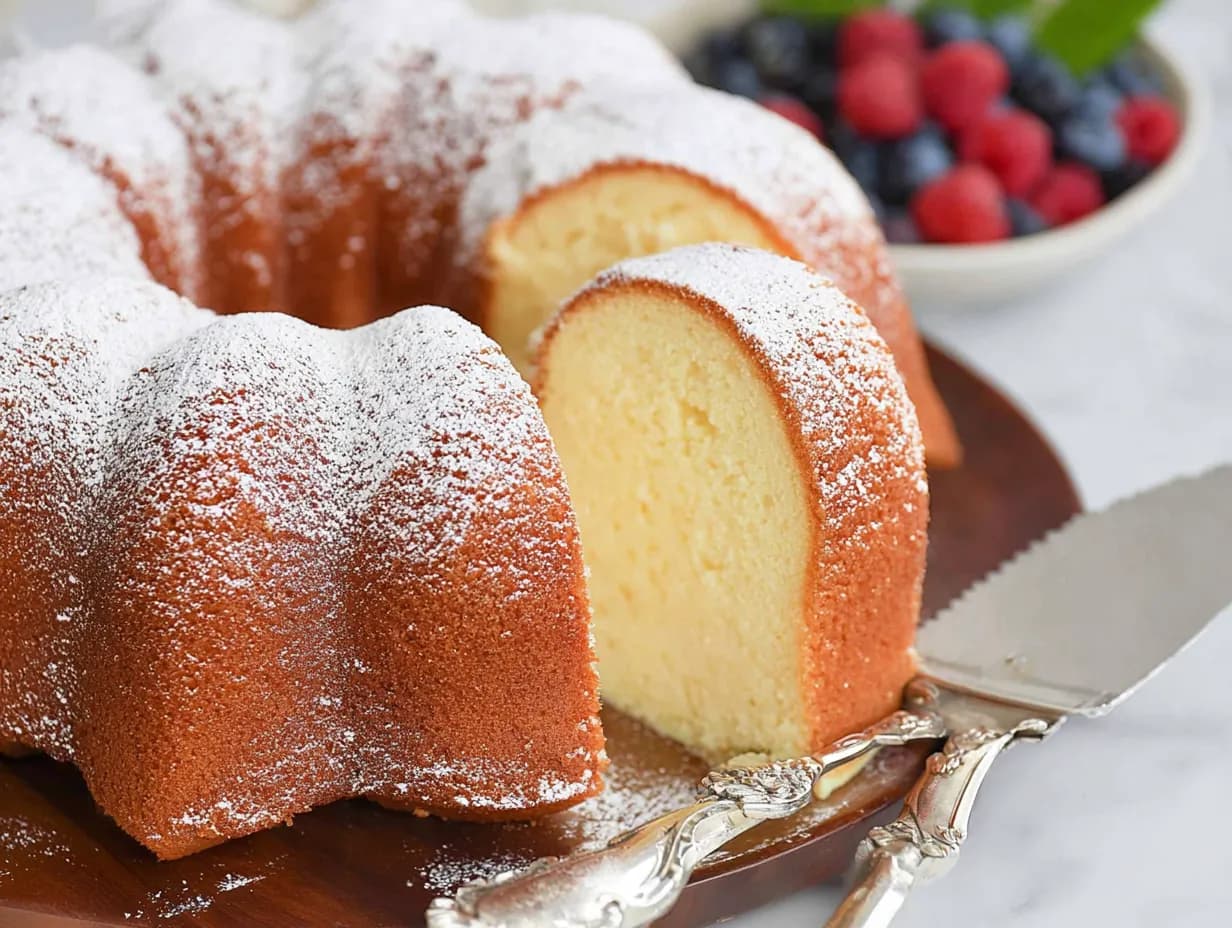
Dust with powdered sugar before serving.
One of the most common issues with cream cheese pound cake comes from mixing too much at the wrong time. While the early creaming stage benefits from patience, the moment flour is added, the rules change.
Overmixing after the flour goes in develops excess gluten. That extra structure can turn what should be a tender, velvety crumb into something dense and heavy. The cake may still taste good, but it will lack the soft slice people expect from a classic pound cake.
The fix is simple. Once flour is added, keep the mixer on low speed and stop as soon as the batter looks combined. A few small streaks will finish blending on their own as the batter settles.
A sunken center can feel discouraging, but it usually points to timing or temperature issues rather than a failed recipe. Opening the oven door too early releases heat and interrupts the cake's structure before it has fully set.
Another common cause is underbaking. Even if the top looks golden, the center still needs time to firm up. Testing with a toothpick near the deepest part of the cake gives a much clearer signal than judging by color alone.
Cracks, on the other hand, are not always a problem. In fact, a crack along the top of a cream cheese pound cake often means the batter rose properly. As long as the inside stays moist and evenly baked, a crack is simply part of the cake's character.
One of the strengths of a cream cheese pound cake is how well it welcomes subtle flavor changes. Because the base is rich and balanced, small additions go a long way.
Citrus zest brings brightness without affecting structure. Lemon, orange, or even lime zest blends smoothly into the batter and pairs beautifully with the creamy crumb.
For a deeper flavor, a touch of almond extract can replace part of the vanilla. Stick to a small amount, as almond flavor becomes strong quickly.
If you prefer texture, finely chopped nuts can be folded in by hand at the very end. Keeping the pieces small helps them stay evenly distributed throughout the cake.
Once cooled, this cake holds up extremely well. Store it covered at room temperature for up to two days, or refrigerate it to extend freshness for several more days.
If chilled, let slices rest at room temperature before serving. That short rest allows the butter and cream cheese to soften, bringing back the cake's tender bite.
This cake shines on its own, but it also pairs well with fresh berries, lightly sweetened whipped cream, or a simple dusting of powdered sugar.
Common pound cake mistakes include not creaming the butter and sugar long enough, adding eggs too quickly, overmixing once the flour is added, and removing the cake from the oven before the center is fully baked.
Yes, overmixing a pound cake after adding the flour can lead to a dense and heavy texture. Mixing gently at the final stage helps keep the crumb soft and tender.
The secret to a good pound cake is patience during the creaming stage, using room-temperature ingredients, and stopping the mixer as soon as the batter is combined.
Pound cakes usually fall because they are underbaked or because the oven door was opened too early, which prevents the cake structure from fully setting.
This cream cheese pound cake proves that classic baking still has a place in modern kitchens. With simple ingredients and careful technique, it produces a cake that feels familiar, reliable, and deeply satisfying.
Whether you serve it plain, dress it up with fruit, or save a slice for the next day, this recipe fits real life. It reflects what FlavorGrove stands for: easy methods, dependable results, and food that brings people together without stress.
I made this cake over the weekend and it came out really good. Super moist and soft, and the flavor from the cream cheese makes a big difference. Everyone at home loved it, and there were barely any leftovers. I’ll definitely make it again. thank you !